

Hypoxanthine is a naturally occurring purine derivative that has drawn increasing attention in the field of health and medicine, particularly in relation to kidney health. As a supplier of hypoxanthine, I have delved deep into the scientific research surrounding this compound and its potential impact on the kidneys. In this blog post, I will explore the relationship between hypoxanthine and kidney health, shedding light on its physiological roles, potential benefits, and possible risks.
Physiological Roles of Hypoxanthine
Hypoxanthine is an intermediate in the purine metabolism pathway. It is formed during the breakdown of adenine and guanine, two of the four nucleotide bases found in DNA and RNA. When cells die or are damaged, the nucleic acids within them are degraded, and hypoxanthine is produced as a by - product.
In normal physiological conditions, hypoxanthine is further metabolized by the enzyme xanthine oxidase to form xanthine and then uric acid. Uric acid is then excreted from the body through the kidneys. This process is a crucial part of maintaining the body's purine balance.
Hypoxanthine and Kidney Function
The kidneys play a vital role in the excretion of hypoxanthine and its metabolites. They filter the blood, removing waste products such as hypoxanthine and uric acid. In a healthy kidney, the glomeruli, which are the filtering units of the kidney, allow small molecules like hypoxanthine to pass through into the renal tubules. From there, the renal tubules can either reabsorb some of the hypoxanthine back into the bloodstream or excrete it into the urine.
A proper balance of hypoxanthine levels in the body is essential for normal kidney function. When the kidneys are functioning well, they can efficiently regulate the levels of hypoxanthine and its end - product, uric acid. However, any impairment in kidney function can disrupt this balance. For example, in patients with chronic kidney disease (CKD), the kidneys' ability to excrete uric acid is reduced. This can lead to an accumulation of uric acid in the blood, which in turn may be associated with elevated levels of hypoxanthine due to the disrupted purine metabolism pathway.
Potential Benefits of Hypoxanthine for Kidney Health
Some studies suggest that hypoxanthine may have certain beneficial effects on kidney health. Hypoxanthine can act as an antioxidant. Oxidative stress is a major factor in the development and progression of kidney diseases. Reactive oxygen species (ROS) can damage kidney cells, leading to inflammation and fibrosis. Hypoxanthine can scavenge ROS, thereby protecting kidney cells from oxidative damage.
Moreover, hypoxanthine may play a role in regulating blood flow in the kidneys. Adequate blood flow is crucial for proper kidney function. By influencing the dilation and constriction of blood vessels in the kidneys, hypoxanthine may help maintain optimal blood perfusion, ensuring that the kidneys receive enough oxygen and nutrients.
In addition, hypoxanthine may have immunomodulatory effects. The immune system is closely involved in kidney diseases. An overactive immune response can lead to inflammation in the kidneys, causing damage to the renal tissue. Hypoxanthine may help regulate the immune response, reducing the excessive inflammation and potentially protecting the kidneys from immune - mediated damage.
Possible Risks Associated with Hypoxanthine
While hypoxanthine may have some potential benefits, there are also possible risks associated with abnormal levels of this compound. As mentioned earlier, hypoxanthine is metabolized to uric acid. Elevated levels of hypoxanthine can lead to increased uric acid production. High levels of uric acid in the blood, a condition known as hyperuricemia, are associated with an increased risk of gout and kidney stones.
Gout is a form of arthritis caused by the deposition of urate crystals in the joints. In the kidneys, urate crystals can form kidney stones, which can cause severe pain and damage to the renal tissue. Moreover, long - term hyperuricemia has been linked to the development and progression of chronic kidney disease.
The Role of Our Hypoxanthine Supply
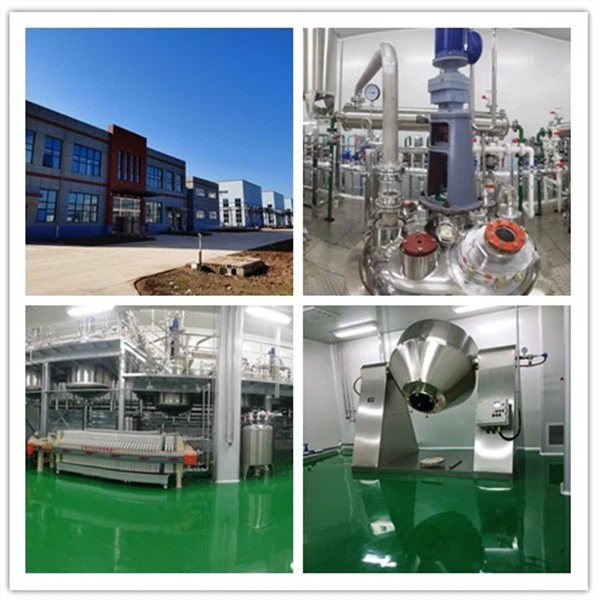
As a hypoxanthine supplier, we are committed to providing high - quality hypoxanthine products. Our hypoxanthine is produced through strict quality control processes, ensuring its purity and safety. For researchers and pharmaceutical companies interested in exploring the relationship between hypoxanthine and kidney health, our products can be a reliable source of this important compound.
We also offer a range of related products that may be of interest in the context of kidney health research. For example, we have Top Grade L - Ornithine 2 - oxoglutarate, 5144 - 42 - 3,C10H18N2O7, which has been studied for its potential role in improving metabolic function, and Top Grade Rifamycin Sodium, CAS: 14897 - 39 - 3, GMP Standard, which has antibacterial properties that may be relevant in preventing kidney infections. Additionally, Top Grade Acyclovir, CAS: 59277 - 89 - 3,C8H11N5O3 can be used to treat viral infections that may affect the kidneys.
Conclusion and Call to Action
The relationship between hypoxanthine and kidney health is complex and multi - faceted. While there are potential benefits of hypoxanthine for kidney function, there are also risks associated with abnormal levels of this compound. Further research is needed to fully understand the mechanisms by which hypoxanthine affects the kidneys and to develop strategies for optimizing its use in the prevention and treatment of kidney diseases.
If you are a researcher, a pharmaceutical company, or an organization interested in hypoxanthine and its potential applications in kidney health, we invite you to contact us for more information. We are eager to engage in discussions about our products and how they can support your research and development efforts. Whether you need high - quality hypoxanthine for in - vitro studies or are looking for related products to complement your research, we are here to assist you.

References
- Johnson, R. J., Kang, D. H., Feig, D., et al. (2003). Is there a pathogenetic role for uric acid in hypertension and cardiovascular and renal disease? Hypertension, 41(6), 1183 - 1190.
- Nakagawa, T., Hu, H., Zharikov, S., et al. (2006). A causal role for uric acid in fructose - induced metabolic syndrome. American Journal of Physiology - Renal Physiology, 290(3), F625 - F631.
- Tuttle, K. R., and Alpern, R. J. (2010). Uric acid and the kidney: pathophysiology and treatment. Current Opinion in Nephrology and Hypertension, 19(6), 630 - 636.