

The microbiome, a complex community of microorganisms that inhabit our bodies, plays a crucial role in maintaining our health. It influences various physiological processes, including digestion, metabolism, immune function, and even mental health. However, the balance of the microbiome can be disrupted by various factors, such as diet, lifestyle, and the use of antibiotics. Rifampicin, a widely used antibiotic, is one such factor that can have a significant impact on the microbiome. As a Rifampicin supplier, I have a deep understanding of this drug and its effects on the microbiome, and I'm here to share some insights.
Mechanism of Rifampicin Action
Rifampicin is a bactericidal antibiotic that belongs to the rifamycin class. It works by inhibiting the bacterial DNA-dependent RNA polymerase, an enzyme essential for the synthesis of RNA. By binding to this enzyme, Rifampicin prevents the transcription of DNA into RNA, ultimately leading to the death of the bacteria. This mechanism of action is highly effective against a wide range of bacteria, including Mycobacterium tuberculosis, the causative agent of tuberculosis, and Staphylococcus aureus, a common cause of skin and soft tissue infections.
Impact on the Gut Microbiome
The gut microbiome is one of the most well-studied microbiomes in the human body. It consists of trillions of microorganisms, including bacteria, fungi, and viruses, that live in the gastrointestinal tract. These microorganisms interact with each other and with the host in a complex manner, influencing various aspects of health.
When Rifampicin is administered, it can have a profound impact on the gut microbiome. Studies have shown that Rifampicin treatment can lead to a significant reduction in the diversity of the gut microbiome. Diversity is an important characteristic of a healthy microbiome, as it is associated with better health outcomes. A decrease in diversity means that there are fewer types of microorganisms in the gut, which can disrupt the normal functioning of the microbiome.
In addition to reducing diversity, Rifampicin can also alter the composition of the gut microbiome. Certain types of bacteria may be more sensitive to Rifampicin than others, leading to a shift in the relative abundance of different bacterial species. For example, some beneficial bacteria, such as Bifidobacterium and Lactobacillus, may be depleted, while potentially harmful bacteria, such as Clostridium difficile, may increase in number. This imbalance in the gut microbiome can have several consequences, including an increased risk of infections, digestive problems, and metabolic disorders.
Impact on the Oral Microbiome
The oral microbiome is another important microbiome in the human body. It plays a crucial role in maintaining oral health, preventing the growth of pathogenic bacteria, and contributing to the overall immune response. Rifampicin can also affect the oral microbiome.
Similar to its effect on the gut microbiome, Rifampicin treatment can reduce the diversity of the oral microbiome. It can also alter the composition of the oral microbiome, leading to an overgrowth of certain bacteria. This can increase the risk of oral diseases, such as dental caries and periodontal disease. Moreover, changes in the oral microbiome can also have systemic effects, as the bacteria in the mouth can enter the bloodstream and spread to other parts of the body.
Impact on the Respiratory Microbiome
The respiratory microbiome is involved in protecting the respiratory tract from infections and maintaining the integrity of the respiratory mucosa. Rifampicin, which is often used to treat respiratory infections, can have a direct impact on this microbiome.

Rifampicin treatment can disrupt the balance of the respiratory microbiome, leading to a decrease in the number of beneficial bacteria and an increase in the number of potentially pathogenic bacteria. This can make the respiratory tract more vulnerable to infections and can also exacerbate existing respiratory conditions. For example, in patients with chronic obstructive pulmonary disease (COPD), Rifampicin treatment may lead to an increase in the frequency and severity of exacerbations.
Potential Long-Term Effects
The short-term effects of Rifampicin on the microbiome are well-documented, but the long-term effects are still not fully understood. Some studies suggest that the microbiome may recover to some extent after the discontinuation of Rifampicin treatment. However, it is possible that some changes in the microbiome may be persistent, leading to long-term health problems.
For example, the depletion of beneficial bacteria in the gut microbiome may lead to a weakened immune system, making the individual more susceptible to infections in the long run. The imbalance in the oral microbiome may also contribute to the development of systemic diseases, such as cardiovascular disease and diabetes. Further research is needed to fully understand the long-term effects of Rifampicin on the microbiome and to develop strategies to mitigate these effects.
Mitigating the Impact on the Microbiome
As a Rifampicin supplier, I understand the importance of minimizing the negative impact of this drug on the microbiome. One approach is to use Rifampicin in combination with probiotics. Probiotics are live microorganisms that, when administered in adequate amounts, confer a health benefit on the host. By taking probiotics during Rifampicin treatment, it may be possible to maintain the balance of the microbiome and reduce the risk of side effects.
Another approach is to optimize the dosing and duration of Rifampicin treatment. Using the lowest effective dose for the shortest possible time can help to minimize the impact on the microbiome while still achieving the desired therapeutic effect. Additionally, healthcare providers should carefully consider the use of Rifampicin and only prescribe it when necessary.
Our Offerings
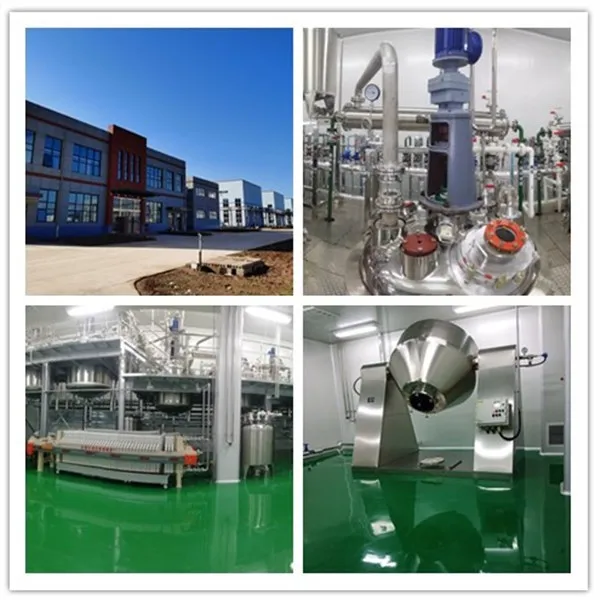
At our company, we are committed to providing high-quality Rifampicin. Our Rifampicin is manufactured to the highest standards, ensuring its efficacy and safety. We also offer a range of other pharmaceutical products, such as Good Quality Albendazole, CAS: 54965-21-8, C12H15N3O2S and CAS:58-63-9,top Grade Inosine Powder, Hypoxanthine. If you are interested in Top Grade Rifamycin Sodium, CAS: 14897-39-3, GMP Standard, we can also provide it to meet your needs.
Conclusion
Rifampicin is a powerful antibiotic that has saved countless lives. However, it is important to be aware of its impact on the microbiome. By understanding how Rifampicin affects the microbiome, we can take steps to minimize these effects and ensure the long-term health of our patients. If you have any questions about Rifampicin or our other products, or if you are interested in purchasing our products, please feel free to contact us for further discussion and negotiation.
References
- Jernberg C, Löfmark S, Edlund C, Jansson JK. Long-term ecological impacts of antibiotic administration on the human intestinal microbiota. ISME J. 2010;4(5):583-592.
- Dethlefsen L, Huse S, Sogin ML, Relman DA. The pervasive effects of an antibiotic on the human gut microbiota, as revealed by deep 16S rRNA sequencing. PLoS Biol. 2008;6(11):e280.
- Cho I, Blaser MJ. The human microbiome: at the interface of health and disease. Nat Rev Genet. 2012;13(4):260-270.