

As a supplier of Boric acid - 10B, I understand the critical importance of proper storage conditions for this valuable chemical compound. Boric acid - 10B, also known as boron - 10 enriched boric acid, is widely used in various industries, including nuclear power, pharmaceuticals, and electronics, due to its unique neutron - absorbing properties and other beneficial characteristics. In this blog, I will delve into the specific storage conditions required to maintain the quality and integrity of Boric acid - 10B.
Temperature Requirements
One of the most crucial factors in storing Boric acid - 10B is temperature. Boric acid - 10B should be stored in a cool environment. The ideal temperature range for storage is between 15°C and 25°C (59°F and 77°F). This relatively narrow temperature range helps to prevent any chemical degradation or changes in the physical properties of the compound.
Exposure to high temperatures can cause Boric acid - 10B to lose its stability. At elevated temperatures, there is a risk of the compound undergoing dehydration reactions. Boric acid is known to lose water molecules when heated, which can lead to the formation of metaboric acid (HBO₂) and ultimately boron trioxide (B₂O₃). These changes can significantly affect the purity and performance of Boric acid - 10B, especially in applications where precise chemical composition is essential, such as in nuclear reactor control rods.
On the other hand, extremely low temperatures can also pose problems. Freezing temperatures can cause the formation of ice crystals within the Boric acid - 10B powder or solution, which may disrupt the crystal structure and lead to a decrease in its effectiveness. Therefore, it is essential to ensure that the storage area is properly insulated and maintained at a stable temperature within the recommended range.
Humidity Control
Humidity is another key consideration when storing Boric acid - 10B. Boric acid is hygroscopic, meaning it has a tendency to absorb moisture from the surrounding air. High humidity levels can cause the Boric acid - 10B to clump together, forming large aggregates. These clumps can be difficult to break up and may affect the uniformity of the compound when it is used in various applications.
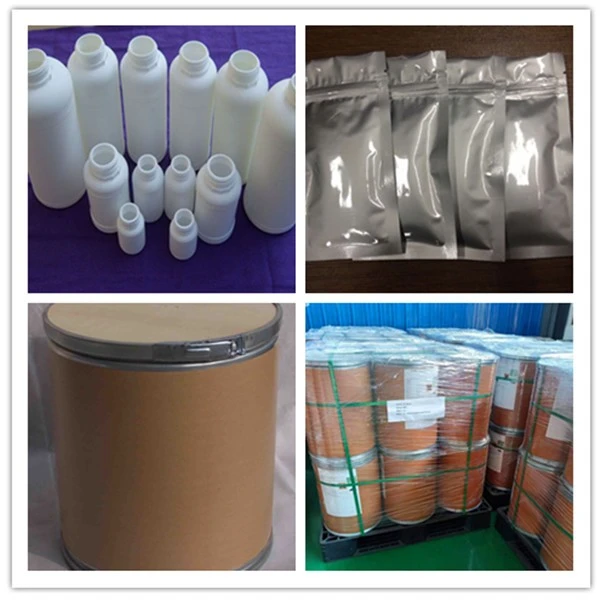
To prevent moisture absorption, Boric acid - 10B should be stored in a dry environment with a relative humidity of less than 60%. It is advisable to use dehumidifiers in the storage area if necessary to maintain the appropriate humidity level. Additionally, the compound should be stored in air - tight containers to minimize its exposure to the surrounding air. Sealed plastic bags or metal containers with tight - fitting lids are suitable options for storing Boric acid - 10B.
Light Exposure
Boric acid - 10B is relatively stable under normal light conditions. However, prolonged exposure to direct sunlight or intense artificial light can potentially cause some photochemical reactions. Although these reactions are generally slow, they can still have a minor impact on the quality of the compound over time.
To avoid any potential light - induced degradation, Boric acid - 10B should be stored in a dark or dimly lit area. If the compound is stored in transparent containers, it is recommended to cover them with opaque materials to block out light. This simple precaution can help to preserve the chemical integrity of Boric acid - 10B and ensure its long - term stability.
Compatibility with Other Substances
When storing Boric acid - 10B, it is important to consider its compatibility with other substances. Boric acid - 10B should be kept away from strong acids, bases, and oxidizing agents. These substances can react with Boric acid - 10B, leading to the formation of unwanted by - products and a decrease in its purity.
For example, strong acids can react with Boric acid to form borate esters or other complex compounds. Bases can also react with Boric acid to form borate salts. Oxidizing agents may cause oxidation of the boron atoms in Boric acid - 10B, altering its chemical properties. Therefore, it is essential to store Boric acid - 10B separately from these incompatible substances in a well - organized storage facility.
Storage in Different Forms
Boric acid - 10B is available in different forms, such as powder, granules, and solutions. The storage conditions may vary slightly depending on the form of the compound.
Powder and Granules
Powder and granule forms of Boric acid - 10B are more susceptible to dust formation and air - borne contamination. Therefore, they should be stored in sealed containers to prevent the escape of dust and the entry of foreign particles. It is also important to handle these forms with care to avoid creating dust clouds, which can be a health hazard if inhaled.
Solutions
Boric acid - 10B solutions should be stored in clean, inert containers. Glass or plastic containers are commonly used for storing solutions. It is important to ensure that the containers are properly labeled with the concentration and other relevant information. Additionally, solutions should be checked regularly for signs of precipitation or microbial growth, which can occur if the storage conditions are not optimal.
Safety Precautions
In addition to the above storage conditions, safety precautions should be taken when handling and storing Boric acid - 10B. Boric acid - 10B is a chemical compound, and although it is generally considered to have low toxicity, it can still pose some health risks if mishandled.
Appropriate personal protective equipment (PPE), such as gloves, goggles, and a dust mask, should be worn when handling Boric acid - 10B. The storage area should be well - ventilated to prevent the accumulation of dust or fumes. In case of accidental spills, proper cleaning procedures should be followed to minimize the risk of exposure.
Related Boron - Cluster Compounds
As a supplier, I also offer other related boron - cluster compounds, such as 10B - BSH, 12448 - 24 - 7, 10B₁₀H₁₂SNa₂, C₃H₁₅B₁₀N.ClH, CAS: 140662 - 84 - 6, and 1,2 - Bis(4 - aminophenyl) - 1,2 - dicarba - closo - dodecaborane, C₁₄H₂₂B₁₀N₂, 78589 - 34 - 1. These compounds also have specific storage requirements, which are similar to those of Boric acid - 10B in terms of temperature, humidity, and light exposure. However, due to their unique chemical structures, they may have additional compatibility considerations.
Conclusion
Proper storage conditions are essential for maintaining the quality and effectiveness of Boric acid - 10B. By controlling temperature, humidity, light exposure, and ensuring compatibility with other substances, we can ensure that the compound remains stable and suitable for its intended applications. As a reliable supplier of Boric acid - 10B and related boron - cluster compounds, I am committed to providing high - quality products and sharing knowledge about their proper storage and handling.
If you are interested in purchasing Boric acid - 10B or any of our other boron - cluster compounds, please feel free to contact us for more information and to discuss your specific requirements. We look forward to working with you to meet your chemical needs.
References
- "Handbook of Inorganic Chemicals" by Pradyot Patnaik.
- "The Chemistry of Boron and Its Compounds" by Eugene L. Muetterties.