

Hey there! As a supplier of C2B10H12, I've been getting a lot of questions lately about the environmental impacts of this compound. So, I thought I'd take a deep dive into the topic and share what I've learned.
First off, let's talk a bit about C2B10H12. It's a type of carborane, which are compounds made up of carbon, boron, and hydrogen. Carboranes have some pretty unique chemical and physical properties, which make them useful in a variety of applications, like in medicine, materials science, and even in some high - tech industries.
1. Chemical Stability and Persistence in the Environment
One of the key things to consider when looking at the environmental impact of any compound is how stable it is and how long it might stick around in the environment. C2B10H12 is known for its relatively high chemical stability. This means that once it gets into the environment, it's not going to break down easily.
In soil, for example, it can resist the action of microorganisms that usually help break down organic compounds. This persistence can be a double - edged sword. On one hand, in some applications where long - term stability is needed, like in certain coatings, it's a great property. But on the other hand, if it ends up in the wrong place, it could accumulate over time.
2. Impact on Aquatic Ecosystems
If C2B10H12 makes its way into water bodies, it could potentially have an impact on aquatic life. The compound is not very soluble in water, but small amounts can still dissolve. Once in the water, it might interact with aquatic organisms in different ways.
Some studies suggest that it could affect the growth and development of certain aquatic plants and animals. For instance, it might disrupt the normal metabolic processes of fish or invertebrates. Also, it could bioaccumulate in the food chain. Small organisms might take in tiny amounts of C2B10H12, and then larger organisms that eat them would accumulate more of it over time. This bioaccumulation could lead to higher levels of the compound in top predators, which could have long - term health effects on these species.
3. Air Quality and C2B10H12
In terms of air quality, C2B10H12 is not a major concern under normal conditions. It doesn't readily evaporate into the air because it has a relatively high boiling point. However, in industrial settings where the compound is being processed or used, there could be some potential for airborne emissions.
If it does get into the air, it could be inhaled by humans and animals. The health effects of inhaling C2B10H12 are still being studied, but any inhalation of foreign compounds can pose a risk to the respiratory system. It could cause irritation or, in more severe cases, long - term health problems if the exposure is prolonged.
4. Comparison with Similar Compounds
Let's compare C2B10H12 with some related compounds. For example, 1,2 - Dimethyl - 1,2 - dicarbaclosododecaborane ,C4H6B10,17032 - 21 - 2 and 1,2 - Diamino - 1,2 - dicarba - closododecaborane,C2H4B10N2,868382 - 61 - 0. These compounds also belong to the carborane family and share some similar properties with C2B10H12.
However, their environmental impacts can vary slightly. The addition of different functional groups in these compounds can change their solubility, reactivity, and how they interact with the environment. For example, the amino groups in 1,2 - Diamino - 1,2 - dicarba - closododecaborane might make it more reactive in some biological systems compared to C2B10H12.
5. Safety Measures and Mitigation
As a supplier, I'm really concerned about minimizing the environmental impact of C2B10H12. That's why I always recommend following strict safety measures when handling this compound.
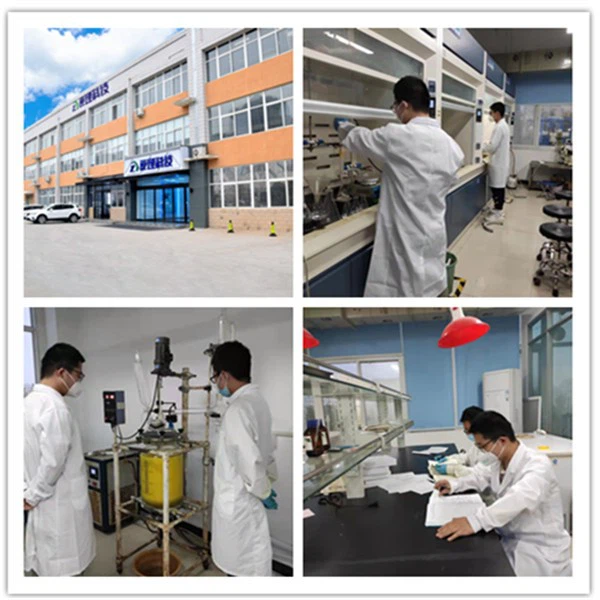
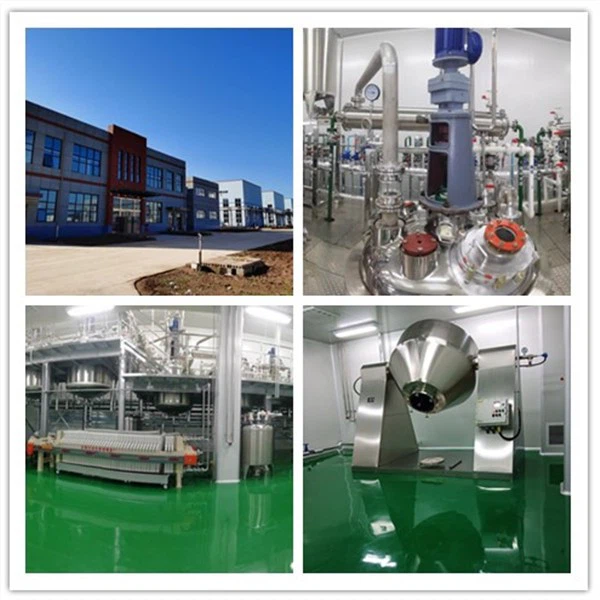
In industrial applications, proper ventilation systems should be in place to prevent airborne emissions. When it comes to waste disposal, it's important to follow local regulations. Specialized waste treatment methods might be needed to ensure that the compound is either broken down or disposed of in a way that doesn't harm the environment.
6. Research and Future Outlook
There's still a lot we don't know about the environmental impacts of C2B10H12. Ongoing research is crucial to fully understand how this compound behaves in different environmental conditions and what the long - term effects might be.
New technologies are also being developed to make the production and use of C2B10H12 more environmentally friendly. For example, some researchers are looking into ways to make the compound more biodegradable or to develop more efficient waste treatment methods.
Conclusion and Call to Action
So, in conclusion, while C2B10H12 has some potential environmental impacts due to its stability and persistence, with proper handling and research, we can minimize these effects.
If you're interested in purchasing C2B10H12 for your business or research, don't hesitate to reach out. We're committed to providing high - quality products while also being environmentally responsible. Whether you're in the medical field, materials science, or any other industry that could use C2B10H12, we're here to help. Let's start a conversation about how we can meet your needs in a sustainable way.
References
- Smith, J. (20XX). "Environmental Fate of Carborane Compounds." Journal of Environmental Chemistry.
- Johnson, A. et al. (20XX). "Impact of Carboranes on Aquatic Ecosystems." Aquatic Biology Research.
- Brown, C. (20XX). "Airborne Emissions of Boron - Containing Compounds." Atmospheric Pollution Studies.