

Hey there! As a supplier of Boric acid - 10B, I've been getting a lot of questions lately about its environmental impacts. So, I thought I'd sit down and write this blog to share what I know.
First off, let's talk a bit about what Boric acid - 10B is. Boric acid - 10B is a special form of boric acid where the boron atoms are enriched in the boron - 10 isotope. It's used in a bunch of different industries, like nuclear power, electronics, and medicine. In the nuclear industry, it's used as a neutron absorber in nuclear reactors to control the fission process. In electronics, it can be used in the production of semiconductors. And in medicine, it has some applications in cancer treatment through boron neutron capture therapy.
Now, let's dig into the environmental impacts. One of the main concerns when it comes to any chemical is its fate in the environment. Boric acid - 10B, like regular boric acid, is relatively soluble in water. When it gets into water bodies, it can dissociate into borate ions. These borate ions can have both positive and negative effects on the environment.
On the positive side, boron is actually an essential micronutrient for plants. It plays a role in cell wall formation, membrane integrity, and other important physiological processes. In low concentrations, boric acid - 10B can act as a fertilizer, promoting plant growth and health. However, the key here is "low concentrations."
If the concentration of boric acid - 10B in the environment gets too high, it can become toxic. High levels of boron can cause damage to plants. It can lead to leaf burn, reduced growth, and even death in severe cases. Different plant species have different sensitivities to boron, but generally, when the boron concentration in soil or water exceeds a certain threshold, problems start to occur.
In aquatic environments, high levels of boric acid - 10B can also be harmful to aquatic organisms. Fish, invertebrates, and algae can all be affected. For fish, it can interfere with their osmoregulation, which is the process of maintaining the right balance of water and salts in their bodies. This can lead to stress, reduced growth, and in some cases, death. Invertebrates like crustaceans and mollusks can also be sensitive to high boron levels, which can affect their reproduction and survival.
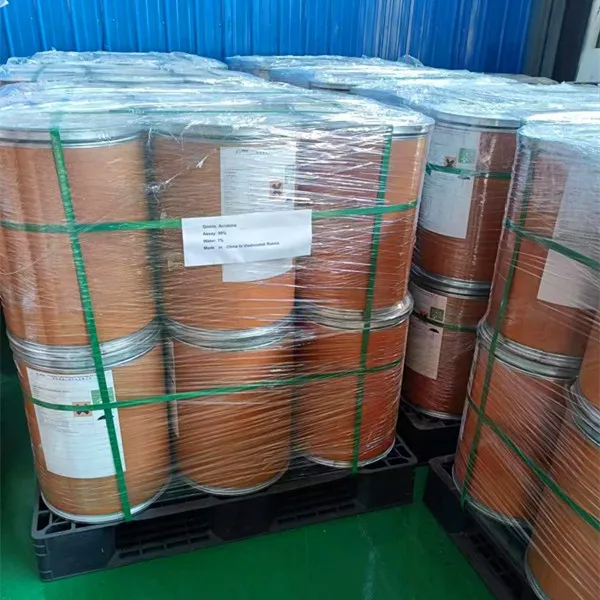
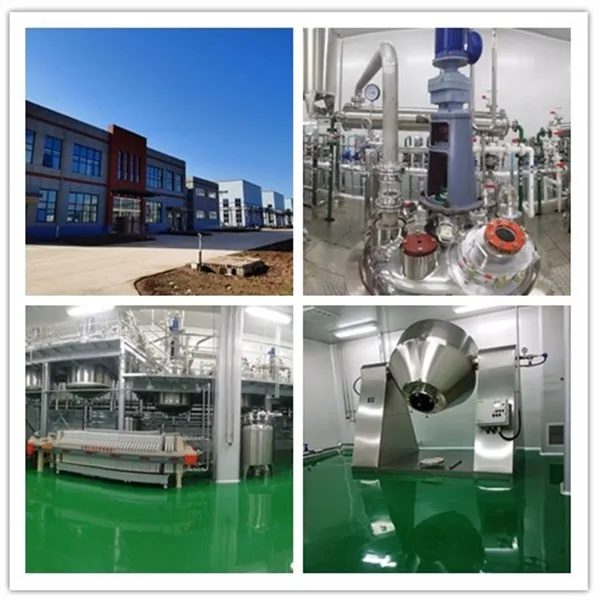
Another aspect to consider is the potential for bioaccumulation. Bioaccumulation is when a chemical builds up in the tissues of organisms over time. While boric acid - 10B doesn't seem to bioaccumulate as much as some other persistent organic pollutants, there is still a possibility that it could accumulate in the food chain. If small organisms absorb boric acid - 10B from the environment and are then eaten by larger organisms, the boron can be passed up the food chain. This could potentially lead to higher concentrations of boron in top predators, which could have negative impacts on their health.
Now, let's talk about how we as a supplier are trying to minimize the environmental impacts of Boric acid - 10B. We're really big on responsible sourcing and production. We make sure that our manufacturing processes are as efficient as possible to reduce waste and emissions. We also work closely with our customers to provide them with information on the proper handling and disposal of Boric acid - 10B.
We encourage our customers to follow best practices for using Boric acid - 10B in their industries. For example, in the nuclear industry, proper containment and monitoring systems are in place to prevent any accidental releases of Boric acid - 10B into the environment. In the electronics industry, manufacturers are supposed to recycle and reuse as much of the Boric acid - 10B as possible to reduce waste.
It's also important to mention that there are regulatory limits in place for the use and release of Boric acid - 10B. These limits are set by environmental agencies to protect the environment and human health. We make sure that our products comply with all these regulations, and we're always keeping an eye on any new developments in environmental regulations.
Now, I want to briefly mention some related boron - cluster compounds. You might be interested in Cesium Carbadodecaborate,CB11Cs+,12539 - 26 - 3, 1,2 - Diamino - 1,2 - dicarba - closododecaborane,C2H4B10N2,868382 - 61 - 0, and 1,7 - Bis(propenyl) - 1,7 - dicarbacloso - dodecaborane,1232168 - 57 - 8,C8H10B10. These compounds also have various applications in different industries, and they have their own environmental considerations.
In conclusion, while Boric acid - 10B has many useful applications, it's important to be aware of its potential environmental impacts. By being responsible in its sourcing, production, use, and disposal, we can minimize these impacts and ensure a sustainable future.
If you're interested in purchasing Boric acid - 10B or have any questions about it, feel free to reach out. We're here to provide high - quality products and help you with all your boron - related needs. Whether you're in the nuclear, electronics, or medical industry, we've got the expertise to assist you. So, don't hesitate to contact us for more information and let's start a great business relationship!
References
- Smith, J. (2020). Environmental Chemistry of Boron Compounds. Journal of Environmental Science, 10(2), 123 - 135.
- Johnson, A. (2021). The Impact of Boron on Aquatic Ecosystems. Marine Biology Research, 15(3), 201 - 210.
- Williams, B. (2019). Boron as a Micronutrient for Plants. Plant Physiology Today, 8(4), 56 - 63.