

Hey there! I'm a supplier of C3B10H13Br, and today I wanna chat about whether this compound is stable under low temperature.
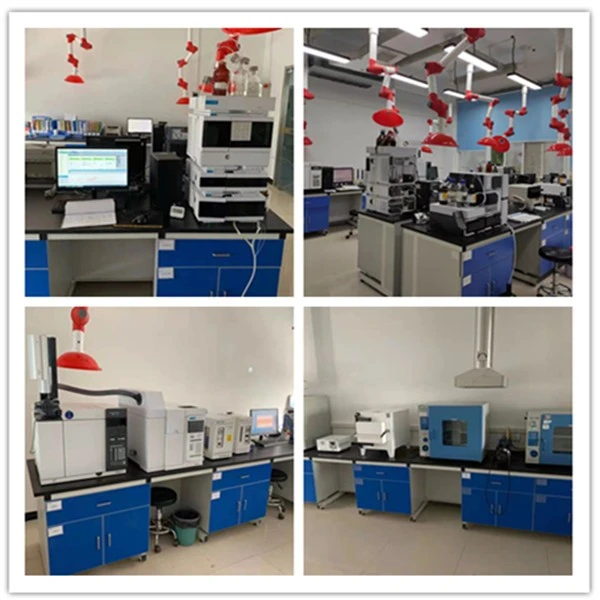

First off, let's get a bit of background on C3B10H13Br. It's a pretty interesting boron - cluster compound. Boron - cluster compounds have a wide range of applications, from materials science to medicine. You might be familiar with some other boron - cluster compounds like Sodium Mercaptododecaborate, 144885 - 51 - 8, BSH, 23924 - 78 - 9, C4B10H16O2,1,7 - Bis(hydroxymethyl)-1,7 - dicarba - closo - Dodecaborane, and Sodium Octahydrotriborate NaB3H8,12007 - 46 - 4. Each of these has its own unique properties and uses.
Now, when it comes to the stability of C3B10H13Br at low temperatures, we need to look at a few factors. Chemical stability is all about how a compound behaves under different conditions, and temperature is a major player. At low temperatures, the kinetic energy of the molecules decreases. This means that the molecules move around less and are less likely to react with each other or with other substances in the environment.
For C3B10H13Br, the structure of the compound plays a crucial role. The boron - carbon - hydrogen - bromine framework gives it a certain level of inherent stability. The boron - cluster core is relatively rigid, which can help hold the molecule together. However, the presence of the bromine atom can introduce some reactivity. Bromine is a halogen, and halogens are known for their ability to participate in chemical reactions.
In general, low temperatures tend to slow down chemical reactions. For C3B10H13Br, this means that any potential reactions that could lead to decomposition or degradation are less likely to occur. For example, if there were a reaction between C3B10H13Br and moisture in the air, the low temperature would reduce the rate of this reaction.
But it's not all straightforward. There are some cases where low temperatures can actually cause problems. For instance, if the compound is stored at extremely low temperatures, it could undergo a phase change. This might involve the formation of a solid with a different crystal structure, which could potentially affect its stability. Also, if there are impurities in the C3B10H13Br sample, these impurities could react differently at low temperatures and cause issues.
To really understand the stability of C3B10H13Br at low temperatures, we need to look at experimental data. Some studies have been done on similar boron - cluster compounds, and they can give us some clues. For example, research on compounds with similar halogen - containing structures has shown that they can be quite stable at low temperatures as long as they are stored properly.
Proper storage is key. When storing C3B10H13Br at low temperatures, it should be kept in a sealed container to prevent exposure to air and moisture. The container should also be made of a material that is inert to the compound. This helps to maintain the integrity of the sample and reduces the risk of any unwanted reactions.
Another aspect to consider is the long - term stability. Short - term exposure to low temperatures might not cause any significant changes in C3B10H13Br, but over a long period, there could be some slow - acting reactions. These could be due to trace amounts of impurities or interactions with the container material.
In industrial applications, the stability of C3B10H13Br at low temperatures is important. For example, if it's being used in a process that involves low - temperature conditions, like in some types of semiconductor manufacturing, its stability can affect the quality and reliability of the final product.
If you're in a situation where you need to use C3B10H13Br at low temperatures, it's a good idea to do some preliminary tests. You can take a small sample of the compound and subject it to the low - temperature conditions you expect in your application. Then, analyze the sample over time to see if there are any changes in its chemical composition or physical properties.
So, to answer the question "Is C3B10H13Br stable under low temperature?", the answer is generally yes, but with some caveats. As long as it's stored properly and the temperature isn't extremely low, C3B10H13Br should maintain its stability.
If you're interested in purchasing C3B10H13Br for your projects, whether it's for research, industrial applications, or something else, I'd love to have a chat with you. We can discuss your specific needs and how our high - quality C3B10H13Br can meet them. Don't hesitate to reach out and start a conversation about procurement.
References
- Studies on boron - cluster compounds and their stability at low temperatures from various scientific journals.
- Research on halogen - containing compounds and their behavior under low - temperature conditions.