

Hey there! As a supplier of Rifampicin, I've been getting a lot of questions lately about how it interacts with antiviral drugs. So, I thought I'd dive into this topic and share some insights with you all.
First off, let's talk a bit about Rifampicin. It's a well - known antibiotic that's commonly used to treat tuberculosis and some other bacterial infections. It works by inhibiting the RNA polymerase enzyme in bacteria, which stops them from making new proteins and ultimately kills them. But what happens when it meets antiviral drugs?
The Basics of Drug Interactions
Drug interactions can be pretty complex. They can occur at different levels, like at the site of absorption, distribution, metabolism, or excretion. When it comes to Rifampicin and antiviral drugs, most of the action happens at the metabolism level. Rifampicin is a potent inducer of cytochrome P450 enzymes in the liver. These enzymes are responsible for breaking down a whole bunch of drugs in our body. When you take Rifampicin, it cranks up the activity of these enzymes, which means other drugs might get metabolized faster than normal.
Interaction with Antiretroviral Drugs
Let's start with antiretroviral drugs, which are used to treat HIV. One of the most significant interactions is with protease inhibitors. Protease inhibitors are a key part of HIV treatment regimens. But when they're taken with Rifampicin, the increased enzyme activity caused by Rifampicin can lead to a decrease in the plasma concentration of protease inhibitors. This means that the protease inhibitors might not be as effective in controlling the HIV virus because there's less of them in the bloodstream.
For example, drugs like ritonavir. Ritonavir is often used in combination with other antiretrovirals to boost their levels in the body. But when you throw Rifampicin into the mix, ritonavir levels drop. This can potentially lead to treatment failure and the development of drug - resistant HIV strains. It's a real headache for doctors trying to manage patients who have both TB and HIV.
On the other hand, non - nucleoside reverse transcriptase inhibitors (NNRTIs) also interact with Rifampicin. Drugs like efavirenz. Rifampicin can reduce the plasma levels of efavirenz, which might require an adjustment in the dosing of efavirenz to maintain its effectiveness.
Interaction with Hepatitis C Antiviral Drugs
Now, let's move on to hepatitis C antiviral drugs. Direct - acting antivirals (DAAs) have revolutionized the treatment of hepatitis C. But Rifampicin can mess with their metabolism too. For instance, some DAAs are substrates for the cytochrome P450 enzymes that Rifampicin induces. When taken together, the DAAs can be metabolized more rapidly, leading to lower plasma concentrations.
This is a big deal because hepatitis C treatment often requires a specific concentration of the drug in the body for a certain period to effectively clear the virus. If the levels of the DAA are too low due to the interaction with Rifampicin, the treatment might not work as well, and the patient could still have the hepatitis C virus in their body.
Clinical Implications
The interactions between Rifampicin and antiviral drugs have some serious clinical implications. In patients with co - infections, like TB and HIV or TB and hepatitis C, doctors have to be really careful when prescribing these drugs together. They might need to adjust the doses of the antiviral drugs, or in some cases, they might have to use alternative drugs that don't interact as strongly with Rifampicin.

It's also important for patients to be aware of these interactions. They should always tell their doctors about all the medications they're taking, including over - the - counter drugs and supplements. This way, doctors can make informed decisions and avoid potential treatment failures or adverse effects.
Mitigating the Interactions
So, how can we deal with these interactions? One approach is to use pharmacokinetic boosters. For example, in the case of protease inhibitors and Rifampicin, using a higher dose of ritonavir as a booster can help maintain the plasma levels of the protease inhibitors. Another option is to use alternative antibiotics that don't have the same enzyme - inducing properties as Rifampicin. However, this might not always be possible, especially in areas where TB is prevalent and Rifampicin is a first - line drug.
Our Offer as a Rifampicin Supplier
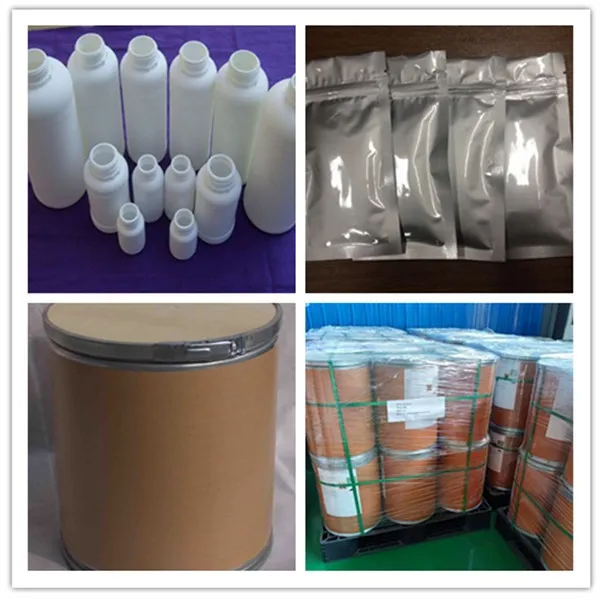
As a supplier of Rifampicin, we understand the importance of these interactions. We're committed to providing high - quality Rifampicin to our customers. Our product is tested to ensure its purity and potency. And we're always here to support our customers, whether they're researchers studying these drug interactions or medical professionals looking for a reliable source of Rifampicin.
If you're interested in other high - quality APIs, we also have some great options. Check out our Top Quality Lappaconitine Hydrobromide,C32H45BrN2O8,CAS:97792 - 45 - 5, Good Quality Albendazole, CAS: 54965 - 21 - 8, C12H15N3O2S, and CAS:58 - 63 - 9,top Grade Inosine Powder, Hypoxanthine.
If you're in the market for Rifampicin or any of our other products, don't hesitate to reach out. We're open to discussing your specific needs and can offer competitive pricing and excellent customer service. Whether you're a small - scale researcher or a large - scale pharmaceutical company, we've got you covered.
Conclusion
In conclusion, the interaction between Rifampicin and antiviral drugs is a complex but important topic. It has significant implications for the treatment of patients with co - infections. As a Rifampicin supplier, we're dedicated to providing the best product and support. If you have any questions or are interested in purchasing our Rifampicin or other APIs, feel free to contact us for a discussion. We're looking forward to working with you to meet your pharmaceutical needs.
References
- Piscitelli, S. C., Burstein, A. H., Chaisson, R. E., & Gallicano, K. I. (2000). Drug interactions between protease inhibitors and nonnucleoside reverse - transcriptase inhibitors and rifamycins. Annals of Internal Medicine, 133(1), 21 - 28.
- Bourliere, M., & Hezode, C. (2016). Drug - drug interactions between anti - hepatitis C virus direct - acting antivirals and other medications. Hepatology, 64(2), 728 - 741.