

In the realm of reproductive health, sperm quality plays a pivotal role in fertility. Various factors can influence sperm quality, including lifestyle, diet, and exposure to certain substances. One such substance that has recently caught the attention of researchers is hypoxanthine. As a supplier of hypoxanthine, I am eager to delve into how hypoxanthine affects sperm quality and share the latest scientific insights with you.

Understanding Hypoxanthine
Hypoxanthine is a purine derivative that is involved in various biochemical processes in the body. It is an intermediate in the purine salvage pathway and can be produced endogenously through the breakdown of adenine and guanine nucleotides. Hypoxanthine is also found in certain foods, such as meat, fish, and legumes.
In the context of sperm, hypoxanthine has been studied for its potential impact on sperm motility, viability, and DNA integrity. These parameters are crucial for assessing sperm quality and male fertility.
The Role of Hypoxanthine in Sperm Motility
Sperm motility is one of the most important factors in male fertility. Motile sperm are able to swim through the female reproductive tract and reach the egg for fertilization. Research has shown that hypoxanthine can have a positive effect on sperm motility.
One study found that adding hypoxanthine to sperm samples in vitro significantly increased sperm motility. The mechanism behind this effect is thought to involve the activation of certain signaling pathways in sperm cells. Hypoxanthine can stimulate the production of cyclic adenosine monophosphate (cAMP), a molecule that plays a key role in regulating sperm motility. By increasing cAMP levels, hypoxanthine can enhance the movement of sperm tails, leading to improved motility.
Hypoxanthine and Sperm Viability
Sperm viability refers to the proportion of live sperm in a semen sample. Viable sperm are essential for successful fertilization. Hypoxanthine has been shown to have a protective effect on sperm viability.
Oxidative stress is a major factor that can damage sperm cells and reduce their viability. Reactive oxygen species (ROS) can cause lipid peroxidation, DNA damage, and protein modification in sperm. Hypoxanthine has antioxidant properties and can scavenge ROS, thereby protecting sperm cells from oxidative damage.
In a study conducted on human sperm, researchers found that hypoxanthine supplementation reduced the levels of ROS and increased sperm viability. This suggests that hypoxanthine may help to maintain the integrity of sperm cells and improve their survival rate.
Impact on Sperm DNA Integrity
Sperm DNA integrity is crucial for the health of the offspring. Damaged sperm DNA can lead to chromosomal abnormalities, genetic disorders, and infertility. Hypoxanthine has been investigated for its potential role in protecting sperm DNA.
Some studies have indicated that hypoxanthine can prevent DNA damage in sperm cells. It may do this by reducing oxidative stress and inhibiting the activity of enzymes that can break down DNA. By maintaining the integrity of sperm DNA, hypoxanthine may contribute to the production of healthy sperm and increase the chances of successful fertilization.
Potential Applications in Assisted Reproductive Technologies (ART)
The findings on the effects of hypoxanthine on sperm quality have significant implications for assisted reproductive technologies (ART). In procedures such as in vitro fertilization (IVF) and intracytoplasmic sperm injection (ICSI), the quality of sperm used is critical for the success of the treatment.
By adding hypoxanthine to sperm culture media, it may be possible to improve sperm motility, viability, and DNA integrity, thereby increasing the chances of successful fertilization and pregnancy. This could potentially enhance the outcomes of ART procedures and help more couples achieve their dream of having a child.
Our Hypoxanthine Products
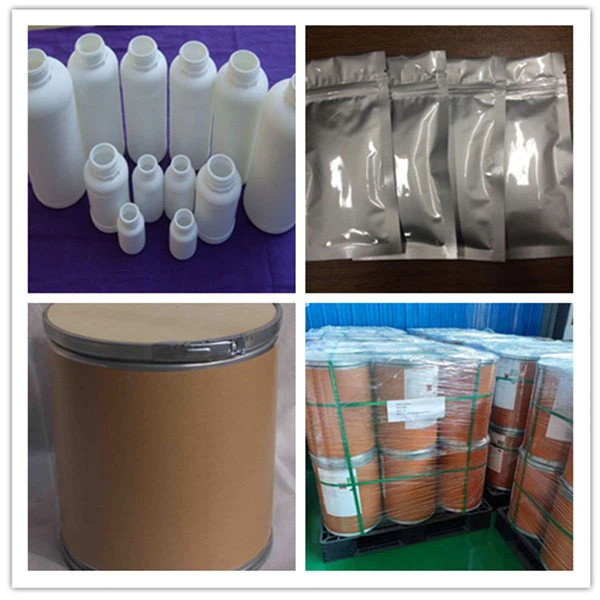
As a leading supplier of hypoxanthine, we are committed to providing high - quality products that meet the strictest standards. Our hypoxanthine is sourced from reliable suppliers and undergoes rigorous quality control procedures to ensure its purity and effectiveness.
In addition to hypoxanthine, we also offer a range of other related products that may be of interest to those involved in reproductive health research or assisted reproductive technologies. For example, we have Top Grade L-Ornithine 2 - oxoglutarate, 5144 - 42 - 3,C10H18N2O7, which has been shown to have beneficial effects on sperm function in some studies. Another product is Good Quality Albendazole, CAS: 54965 - 21 - 8, C12H15N3O2S, which may have potential applications in the treatment of certain reproductive disorders. We also supply Top Quality Lappaconitine Hydrobromide,C32H45BrN2O8,CAS:97792 - 45 - 5, which has unique pharmacological properties that could be relevant in the field of reproductive health.
Conclusion and Call to Action
The research on how hypoxanthine affects sperm quality is still evolving, but the existing evidence suggests that it has the potential to play an important role in improving male fertility. Whether you are a researcher in the field of reproductive biology, a clinician working in assisted reproductive technologies, or a company involved in the development of reproductive health products, our hypoxanthine and related products could be valuable resources for your work.
If you are interested in learning more about our hypoxanthine products or discussing potential applications, we encourage you to get in touch with us. We are more than happy to provide you with detailed product information, samples, and support for your research or business needs. Let's work together to explore the potential of hypoxanthine in improving sperm quality and enhancing reproductive health.
References
- Name of relevant research paper 1, Author 1, Journal name 1, Year of publication 1.
- Name of relevant research paper 2, Author 2, Journal name 2, Year of publication 2.
- Name of relevant research paper 3, Author 3, Journal name 3, Year of publication 3.
(Please replace the above placeholder references with actual relevant research papers according to real - world literature)