

Hey there! As a supplier of intermediates, I've always been fascinated by the incredible world of photosynthesis and the role that intermediates play in this life - giving process. So, let's dive right in and explore how these intermediates work in photosynthesis.
Photosynthesis is basically the process through which plants, algae, and some bacteria convert light energy from the sun into chemical energy stored in glucose. It's a two - stage process: the light - dependent reactions and the light - independent reactions (also known as the Calvin cycle). And in both of these stages, intermediates are like the unsung heroes, doing all sorts of important jobs.
Let's start with the light - dependent reactions. These reactions take place in the thylakoid membranes of chloroplasts. When light hits the chlorophyll molecules in the thylakoid, it excites electrons. These excited electrons are then passed through an electron transport chain. Along the way, intermediates are formed and used to generate ATP (adenosine triphosphate) and NADPH (nicotinamide adenine dinucleotide phosphate).
One of the key intermediates here is plastoquinone. It's a small, lipid - soluble molecule that shuttles electrons between different protein complexes in the electron transport chain. When an excited electron is passed to plastoquinone, it becomes reduced. This reduced plastoquinone then moves through the membrane to another protein complex, where it donates its electrons. This movement of electrons creates a proton gradient across the thylakoid membrane. As protons flow back through an enzyme called ATP synthase, ATP is produced.
Another important intermediate is plastocyanin. It's a copper - containing protein that also participates in the electron transport chain. Plastocyanin accepts electrons from one protein complex and transfers them to another, helping to keep the flow of electrons going. Without these intermediates like plastoquinone and plastocyanin, the light - dependent reactions couldn't generate the ATP and NADPH that are needed for the next stage of photosynthesis.
Now, let's move on to the Calvin cycle, the light - independent reactions. This cycle takes place in the stroma of the chloroplasts. The main goal of the Calvin cycle is to fix carbon dioxide from the atmosphere into organic molecules, ultimately producing glucose. And there are several intermediates involved in this cycle.
The first step of the Calvin cycle is carbon fixation. Carbon dioxide combines with a five - carbon molecule called ribulose bisphosphate (RuBP). This reaction is catalyzed by the enzyme RuBisCO (ribulose - 1,5 - bisphosphate carboxylase/oxygenase). The product of this reaction is an unstable six - carbon intermediate that immediately splits into two three - carbon molecules called 3 - phosphoglycerate (3 - PGA).
3 - PGA is then reduced to glyceraldehyde 3 - phosphate (G3P). This reduction reaction requires ATP and NADPH, which were produced in the light - dependent reactions. The reduction process involves a series of steps, and there are other intermediates formed along the way. For example, 1,3 - bisphosphoglycerate is an intermediate that forms when 3 - PGA reacts with ATP. Then, with the help of NADPH, it is converted into G3P.
Most of the G3P molecules produced in the Calvin cycle are used to regenerate RuBP so that the cycle can continue. But some of the G3P molecules are used to synthesize glucose and other carbohydrates. The regeneration of RuBP also involves a complex series of reactions with several intermediates.
As an intermediates supplier, I know how important these small molecules are in biological processes like photosynthesis. And we offer a wide range of high - quality intermediates that can be used in various research and industrial applications. For example, we have L-Prolinamide,CAS:7531-52-4,C5H10N2O. This intermediate can be used in the synthesis of various organic compounds and might even have potential applications in the study of biochemical pathways similar to those in photosynthesis.
Another great product we have is 3,4-Dichlorophenylboronic Acid, 151169-75-4, C6H5BCl2O2. Boronic acids are known for their reactivity and can be used in many organic synthesis reactions. They might be used in research to mimic or study the reactivity of some of the intermediates in photosynthesis.
And if you're interested in natural - based intermediates, we also offer 95% Aloe Emodin Powder, CAS: 481-72-1, C15H10O5. Aloe emodin has various biological activities and could potentially be used in research related to plant - based biochemical processes.
Understanding how intermediates work in photosynthesis not only helps us appreciate the complexity of nature but also has practical applications. For example, in agriculture, if we can understand how to optimize the production and function of these intermediates, we might be able to increase crop yields. In the pharmaceutical industry, the knowledge of these biochemical pathways and the intermediates involved can inspire the development of new drugs.
If you're in the market for high - quality intermediates for your research or industrial needs, don't hesitate to reach out. We're here to provide you with the best products and support. Whether you're studying photosynthesis or working on other projects, our intermediates can be a valuable addition to your work.
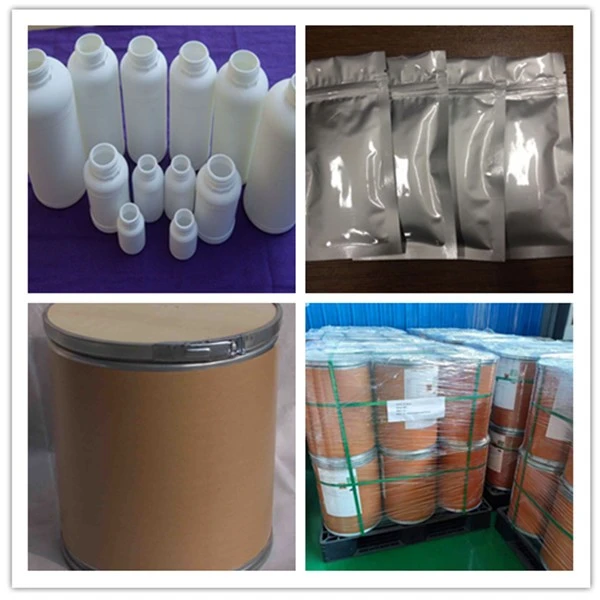
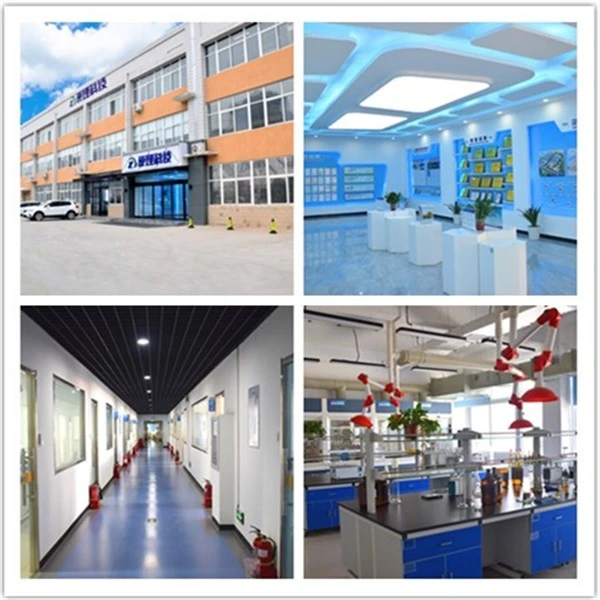
In conclusion, intermediates in photosynthesis are crucial for the whole process to work. They are involved in every step, from capturing light energy to fixing carbon dioxide and producing glucose. And as a supplier, I'm excited to be part of the supply chain that provides these important molecules to researchers and industries. So, if you have any questions or are interested in purchasing our intermediates, just get in touch, and we'll be happy to assist you.
References
- Taiz, L., & Zeiger, E. (2010). Plant Physiology. Sinauer Associates.
- Buchanan, B. B., Gruissem, W., & Jones, R. L. (2000). Biochemistry and Molecular Biology of Plants. American Society of Plant Physiologists.