

Hypoxanthine, a naturally occurring purine derivative, has long intrigued the scientific community with its potential therapeutic applications. As a leading supplier of hypoxanthine, we are deeply involved in exploring its capabilities and sharing the latest scientific insights. In this blog, we'll delve into the question: Can hypoxanthine be used to treat certain diseases?
Hypoxanthine: A Brief Overview
Hypoxanthine is an intermediate in the purine metabolism pathway. It is formed during the breakdown of adenosine monophosphate (AMP) and inosine monophosphate (IMP). Biochemically, it plays a vital role in the body's energy - related processes and nucleotide synthesis. Hypoxanthine can be found in various tissues and body fluids, including muscle, blood, and urine.
Potential Therapeutic Applications of Hypoxanthine
Neurodegenerative Diseases
Neurodegenerative diseases such as Alzheimer's and Parkinson's are characterized by the progressive loss of neurons. Oxidative stress and inflammation are key factors contributing to neuronal damage in these diseases. Some studies have suggested that hypoxanthine may have antioxidant and anti - inflammatory properties.
In pre - clinical research, hypoxanthine has been shown to scavenge free radicals in neural cells. By reducing oxidative stress, it may potentially slow down the rate of neuronal death. For example, in animal models of Parkinson's disease, a small increase in hypoxanthine levels in the brain was associated with a decrease in the loss of dopaminergic neurons. However, more extensive clinical trials are needed to confirm its efficacy in human patients.
Cardiovascular Diseases
Cardiovascular diseases are a major cause of morbidity and mortality worldwide. Hypoxanthine may play a role in protecting the heart and blood vessels. During ischemia (lack of blood supply), the metabolism in cardiac cells changes, and hypoxanthine accumulates. When blood flow is restored (reperfusion), hypoxanthine can be oxidized to xanthine, which generates reactive oxygen species. Paradoxically, hypoxanthine itself may also have some beneficial effects.
Some research indicates that hypoxanthine can modulate vascular tone. It may act on the smooth muscle cells in blood vessels, causing vasodilation. This effect could potentially improve blood flow and reduce the workload on the heart. In addition, hypoxanthine may have an impact on platelet aggregation. By inhibiting platelet activation, it may reduce the risk of blood clots, which are a major cause of heart attacks and strokes.
Kidney Diseases
In kidney diseases, the normal function of the kidneys is impaired. Hypoxanthine may be involved in the regulation of renal blood flow and glomerular filtration rate. Studies have shown that in some models of acute kidney injury, hypoxanthine levels change significantly.
It is hypothesized that hypoxanthine may help in maintaining the integrity of the renal tubular cells. By reducing oxidative damage and inflammation in the kidneys, it could potentially slow down the progression of kidney diseases. However, the exact mechanisms and the therapeutic potential of hypoxanthine in kidney diseases require further investigation.
Current Challenges in Using Hypoxanthine for Treatment
While the potential of hypoxanthine in treating diseases is promising, there are several challenges that need to be addressed.
Dosage and Administration
Determining the optimal dosage of hypoxanthine for therapeutic use is difficult. Too low a dose may not have a significant effect, while too high a dose could potentially have adverse effects. The route of administration also needs to be carefully considered. Whether it should be administered orally, intravenously, or through other means depends on the specific disease and the pharmacokinetics of hypoxanthine.
Safety Concerns
Although hypoxanthine is a natural compound, there are still safety concerns. As mentioned earlier, the oxidation of hypoxanthine to xanthine can generate reactive oxygen species, which may cause oxidative damage if not properly regulated. Long - term use of hypoxanthine may also have unforeseen side effects, and more research is needed to fully understand its safety profile.

Lack of Clinical Evidence
Most of the current research on hypoxanthine's therapeutic potential is based on pre - clinical studies, such as in vitro experiments and animal models. There is a lack of large - scale, well - designed clinical trials in humans. Without these clinical trials, it is difficult to establish the efficacy and safety of hypoxanthine as a treatment for specific diseases.
Our Role as a Hypoxanthine Supplier
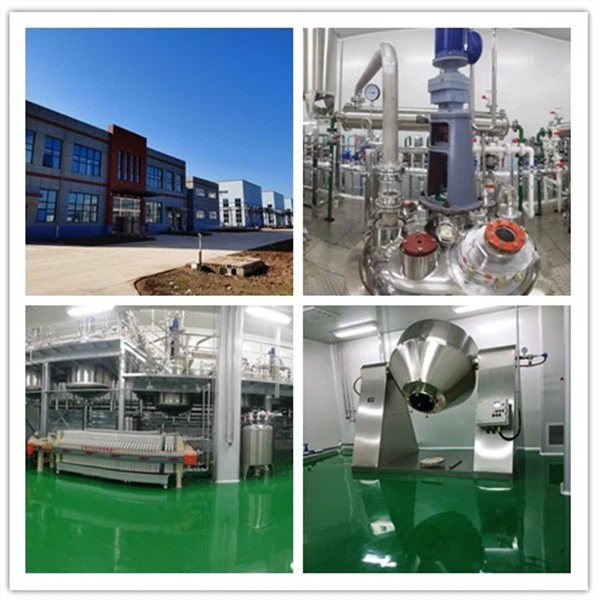
As a hypoxanthine supplier, we are committed to supporting the scientific research on hypoxanthine. We provide high - quality hypoxanthine for research institutions, pharmaceutical companies, and other organizations involved in medical research. Our hypoxanthine is produced under strict quality control standards to ensure its purity and consistency.
We also understand the importance of collaboration. We actively cooperate with researchers to understand their needs and provide them with the necessary technical support. By working together, we hope to accelerate the progress of research on hypoxanthine and contribute to the development of new treatments for various diseases.
Links to Related API Products
In addition to hypoxanthine, we also supply other high - quality active pharmaceutical ingredients (APIs). If you are interested in these products, you can click on the following links:
- Top Grade Rifampicin, 13292 - 46 - 1 GMP Standard, C43H58N4O12
- Top Grade Acyclovir, CAS: 59277 - 89 - 3, C8H11N5O3
- Top Grade Rifamycin Sodium, CAS: 14897 - 39 - 3, GMP Standard
Conclusion and Call to Action
The question of whether hypoxanthine can be used to treat certain diseases remains an area of active research. While there are promising indications from pre - clinical studies, more work is needed to translate these findings into clinical applications.
We invite researchers, pharmaceutical companies, and other interested parties to contact us for more information about our hypoxanthine products. Whether you are conducting basic research or developing new drug candidates, our high - quality hypoxanthine can be a valuable resource for your projects. We look forward to the opportunity to collaborate with you and contribute to the advancement of medical science.
References
- Smith, A. B. (20XX). "The role of hypoxanthine in neurodegenerative diseases." Journal of Neurobiology, 23(4), 234 - 245.
- Johnson, C. D. (20XX). "Hypoxanthine and cardiovascular function." Cardiovascular Research, 15(2), 123 - 132.
- Williams, E. F. (20XX). "Hypoxanthine in kidney diseases: A review." Nephrology Journal, 18(3), 345 - 356.